
"Bolivian coffee origins"
300 article(s) found

A brief introduction to the history and culture of the origin and development of Bolivian boutique coffee beans with dried almonds
Bolivia not only has a unique growing environment, but also has an excellent coffee variety Typica. In the past two hundred years, the main variety of coffee in Yanggas area is the ancient Tibica. Tibica coffee has a balanced and soft flavor, with lively aroma and rich sour taste. Unfortunately, the low production of Tibika and its poor disease resistance make Bolivia's

A brief introduction to the history and culture of the origin and development of Bolivian boutique coffee beans with balanced taste
Bolivia has made a lot of efforts to improve the quality of coffee, stimulate the enthusiasm of coffee farmers and make coffee farmers have a deeper understanding of fine coffee. After the introduction of the COE competition, in the first COE competition held in 2004, there were 13 boutique bean cups with a total score of more than 84 points, and the champion bean score was as high as 90.44 points.

Bolivian Coffee Snow vein Manor introduction to the characteristics of Bolivian Coffee Flavor Manor
Most of the coffee in Bolivia is of mediocre quality, but the production of boutique coffee has developed rapidly in recent years, and there have been a lot of pretty good beans. In recent years, the COE (Cup of excellence) system, which was first implemented in Brazil, has gradually become popular. Bolivia has also introduced this system, which can stimulate the enthusiasm of coffee farmers on the one hand and improve coffee on the other.

A brief introduction to the origin, development, history and culture of high-grade vanilla sweet Bolivian boutique coffee beans
In the past, most of the coffee in Bolivia was of mediocre quality, but in recent years, the production of boutique coffee has developed rapidly, and there have been a lot of pretty good beans. In recent years, the COE (Cup ofexcellence) system, which was first implemented in Brazil, has become more and more popular. Bolivia has also introduced this system, which can stimulate the enthusiasm of coffee farmers on the one hand and improve it on the other.

Secret coffee Bolivian coffee Bolivia Coffees American boutique coffee balanced flavor
Boutique coffee is fresh coffee. Whether it's food or drink, of course, the fresh the better, and so is boutique coffee. High-quality coffee should keep the coffee beans fresh before making, including the preservation of baked beans, and grind the coffee beans into powder before making, which is also to retain its original and best flavor. And the way of making hand-made coffee is such a way to make high-quality coffee.

A brief introduction to the description of taste and aroma characteristics of Bolivian boutique coffee beans with rich sour taste
The aroma of Bolivian coffee is rich and unique, both the aroma of ground beans and the aroma of coffee produced are obviously strong, similar to the mixture of flower and fruit aroma. Impressive coffee in Bolivia really began to be commercially produced in the 1950s (at first coffee trees were only planted around the house as a fence), but the coffee industry developed in a very short time.

Introduction to the characteristics of Bolivian boutique coffee beans coffee flavor and manor producing areas
In the past, coffee trees in Bolivia used to act as hedges and ornaments around the garden. Real commercial production began in the early 1950s. The coffee industry in Brazil was seriously damaged by the great frost in 1975, while Bolivia (Bolivia) benefited from it and developed rapidly. The origin of Bolivian coffee: Bolivian coffee at an altitude of 180 Muhami 670 meters.
How about Bolivian Java coffee? description of the flavor characteristics of Bolivian Java coffee
Professional coffee knowledge exchange more coffee bean information please follow the coffee workshop (Wechat official account cafe_style) if in many coffee producing areas, to find such a romantic, beautiful and dangerous dream territory, it is Bolivia! Pedro/Agricafe has been growing coffee in Bolivia for 30 years, which can be said to have witnessed the cultivation / production of coffee in Bolivia.

Malt Sweet Bolivian Coffee Grinding scale Variety Flavor description Taste Manor introduction
Traditional Typica species are mostly grown on high mountains with rich volcanic soil more than 2000 meters above sea level. The source of water for coffee treatment also comes from melted snow water in the mountains, which is completely pollution-free. Because of its high altitude and low temperature all the year round, the Typica species here is not as big as that of neighboring countries, but it has more diverse fragrances and fuller sweetness. Clean malt sweet, orange, red jujube, and lemon peel
Is there a good variety of Bolivian coffee? how's the cocoa from the sun in Waliki Manor? how's Java?
Bolivian Valiki Manor Coco tanning Java Bolivia Waliki Coco Natural Java Coffee area: la Paz La Paz planting altitude: 1600 meters Coffee varieties: Java Java treatment: cocoa tanning Coco natural coffee producing area this Bolivian cocoa tanning Java comes from a small estate called Waliki. The name is inspired by
Introduction to the characteristics of coffee flavor and taste of Bolivian snow vein manor
South America is rich in coffee beans, and Bolivia is no exception. The unique tropical rain forest environment in some parts of Bolivia provides excellent natural conditions for the growth of organic coffee. The aroma of Bolivian coffee is rich and unique, both the aroma of ground beans and the aroma of coffee are obviously rich, similar to the mixture of flower and fruit aroma, which is impressive.

How about Bolivian Java coffee? are Bolivian Java coffee beans Arabica coffee?
Professional coffee knowledge exchange more coffee bean information please follow the coffee workshop (Wechat official account cafe_style) Product name: Bolivia Java Arabica country: Indonesia production area: Java Grade: G1 treatment: washing varieties: Arabica in coffee-producing countries, Indonesia is a very noteworthy one. Indonesia is an island country in the Indian Ocean.

Cultivation of Bolivian boutique coffee beans with dried almonds: a brief introduction to geographical location, climate and altitude
Bolivia not only has a unique growing environment, but also has an excellent coffee variety Typica. In the past two hundred years, the main variety of coffee in Yanggas area is the ancient Tibica. Tibica coffee has a balanced and soft flavor, with lively aroma and rich sour taste. Unfortunately, the low production of Tibika and its poor disease resistance make Bolivia's
Washed Tibica Coffee beans in Yonggas Town, La Paz County, Bolivia _ Bolivian Coffee Flavor
Professional coffee knowledge exchange more information about coffee beans please follow Coffee Workshop (Wechat official account cafe_style) Bolivia is a landlocked country in South America and a member of the Union of South American Nations. Neighboring countries include Brazil, Peru, Chile, Argentina and Paraguay. The legal capital is Sucre, but the actual seat of government is La Paz, which is above sea level.

Introduction to the characteristics of flavor varieties in Bolivian coffee manor with high quality and rich sour taste
On December 18, 2005, the presidential election was held. Aymara Indian, Evo Morales, leader of the Bolivian socialist movement, won the election with 53.75% of the vote and took office on January 22, 2006. He became the country's first Native American president and Bolivia's first left-wing president. Began with progressive community socialism (that is, Indian socialism)

Introduction to the characteristics of Bolivian Coffee Flavor and Taste Manor
Arabica coffee cannot be grown in cold places above 2000 meters above sea level. if the altitude is too high, coffee trees will frost because the temperature is too low. So Bolivian coffee is mainly grown in the Yungas region northeast of La Paz. It borders the Amazon basin and is about 1500-2500 meters above sea level with an average annual temperature of about 10-15 ℃. Therefore, it ensures the growth of coffee.

Introduction to Bolivian Coffee Manor, producing area of Alpine country Coffee
This is the description of Bolivian coffee; Bolivia, located on the southeast side of Peru, is. La Paz (capital) is 3660 meters above sea level. Coffee cannot be grown in such a cold place. But YUNGAS, northeast of La Paz, borders the Amazon basin. The altitude is a little lower. About 1500-2500 meters. The average annual temperature is about 10-15 degrees without frost damage in winter. The fertile soil is characteristic of the main coffee producing areas in Bolivia. America

Lake Ta-da producing area of Bolivian boutique coffee beans balanced sweet coffee beans American coffee
Boutique coffee is fresh coffee. Whether it's food or drink, of course, the fresh the better, and so is boutique coffee. High-quality coffee should keep the coffee beans fresh before making, including the preservation of baked beans, and grind the coffee beans into powder before making, which is also to retain its original and best flavor. And the way of making hand-made coffee is such a way to make high-quality coffee.

Introduction to the planting environment of Bolivian coffee with dry flavor of almonds
(1) the Movement for Socialism (Movimiento Al Socialismo): founded in 1995. The ruling party. The emerging leftist political parties are widely participated in the national democratic forces. Oppose neoliberal economy and economic globalization. The largest political force in the Bolivian parliament. The party's leader is President Juan Evo Morales Emma (Juan Evo MORALES Ayma). (2) Poly
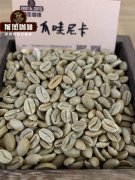
Bolivian boutique coffee what is Bolivia's unique coffee bean treatment?
Some time ago, the front street coffee on the shelves of a coffee from glass via, called Bolivian cocoa sun Kaddura. We often hear that the altitude of coffee planting will have a great impact on the flavor of beans, the higher the altitude, the better the flavor of coffee beans, so coffee will also be planted at high altitude. However, there is one strange thing you may not know.